would of known1eighteenth, and nineteenth2, prove3By the 1880s4 noting the success of the newly built Brooklyn Bridge5on the project6 peninsulas; sc7there great cost8however, that910 On November 1, 1957, the Mackinac Bridge11. in spite of decades of problems, opened to traffic. Today,12drivers and highway travelers13stand as a monument to Michigan's perseverance.1415
Slowly Spanning the Straits
The Straits of Mackinac, located between Lake Huron and Lake Michigan, divide Michigan's Upper and Lower Peninsulas. Native Americans in the former wilderness territory how to paddle between several islands to make their way across the Straits. Settlers in the centuries crossed the Straits by ferry. However, ferries soon to be costly in both lives and money. , the Michigan Legislature had begun discussing the idea of building a bridge to span the Straits . However, many hurdles stood in the way.
During the late nineteenth century, the legislature heard plans for an elaborate system of bridges and causeways that would use three islands as intermediate points. However, no action was ever taken . In the 1920s, an assembly ordered resumption of ferry service between the within five years, Governor Fred Green felt warranted investigation of the bridge idea once again. The State Highway Authority concluded that a bridge could be built for around $30 million.
In the 1930s, the Mackinac Bridge Authority twice sought federal funding for construction of the bridge, but was denied each time. Even so, a route was plotted and careful study of the lakebed and the rock below was begun. Any progress, was put on hold for the duration of World War II, and it was not until 1950 that funds were fully invested in the bridge project.
Construction of the Mackinac Bridge finally began in 1954. It would become a crowning achievement for design engineer David Steinman and for years would be the longest suspension bridge in the world. 40 U.S. Steel Company received the contract to build the massive steel superstructure. It was a two-and-a-half year ordeal that cost the state more than $44 million and cost five men their lives. Those who did not know the history of the project were elated by the bridge's "on schedule" completion.
the Mackinac Bridge is as solid as ever. In 1998, it collected its 100 millionth toll. It will continue to serve well into the future and
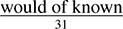 how to paddle between several islands to make their way across the Straits. Settlers in the
  centuries crossed the Straits by ferry. However, ferries soon
  to be costly in both lives and money.
  , the Michigan Legislature had begun discussing the idea of building a bridge to span the Straits
 . However, many hurdles stood in the way.
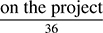 . In the 1920s, an assembly ordered resumption of ferry service between the
 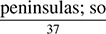 within five years, Governor Fred Green felt
 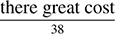 warranted investigation of the bridge idea once again. The State Highway Authority concluded that a bridge could be built for around $30 million.
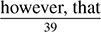 was put on hold for the duration of World War II, and it was not until 1950 that funds were fully invested in the bridge project.
 Those who did not know the history of the project were elated by the bridge's "on schedule" completion.
 the Mackinac Bridge is as solid as ever. In 1998, it collected its 100 millionth toll. It will continue to serve
  well into the future and